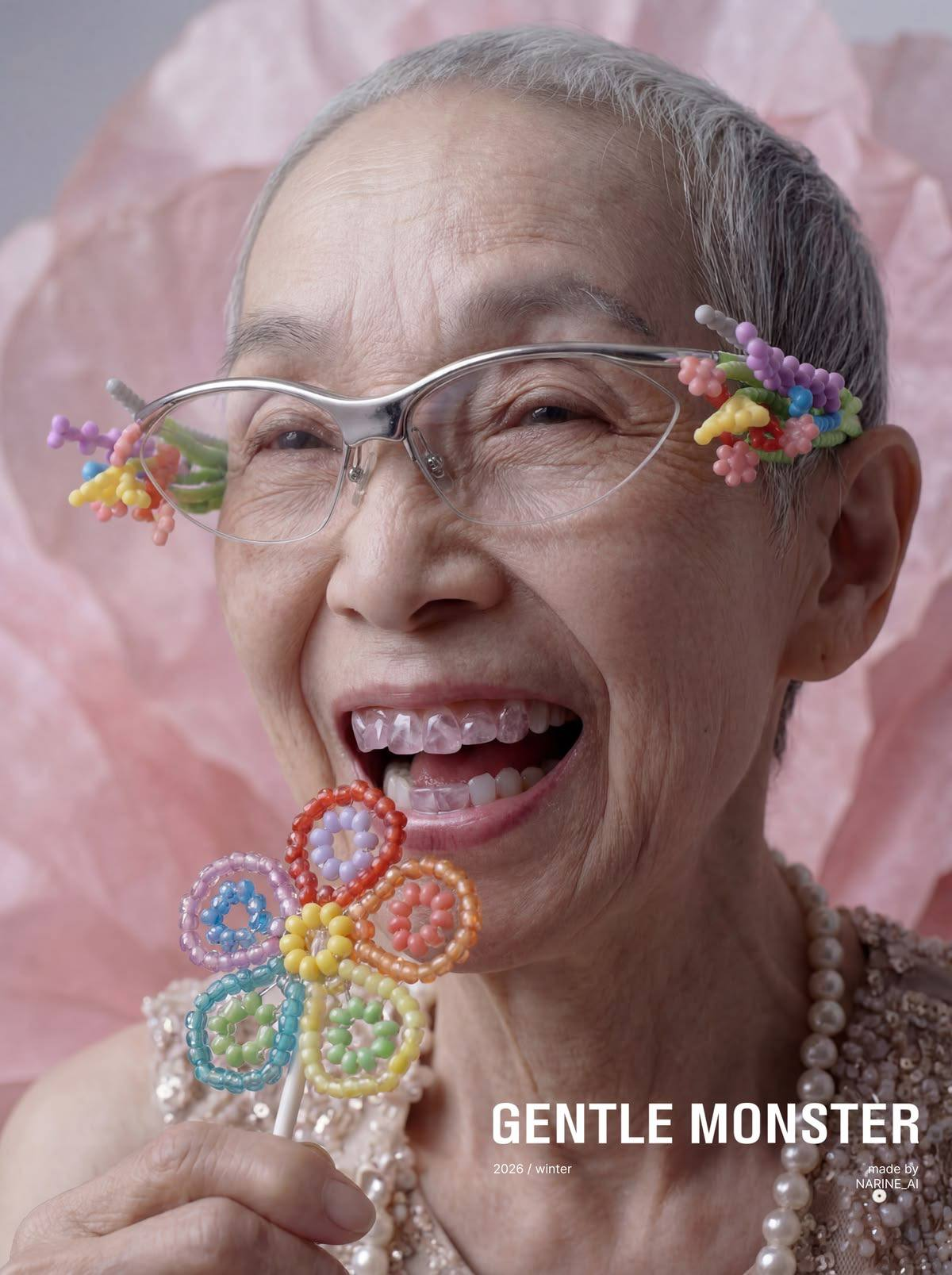
Cultural code is not just about traditions or national characteristics. It is a system of associations, symbols, and emotional reactions embedded in a society’s collective consciousness.
For a Japanese audience, silence, a lantern’s glow, and falling sakura petals may symbolize the beauty of impermanence. For an American audience, a hero defeating the system represents hope and strength.
When we design or create advertising, we are not working with the eyes — we are working with perception. Every visual, story, and symbol activates deeply rooted cultural meanings. If a brand ignores this layer, the message may be seen — but it will not be felt.
Culture is not just a backdrop for marketing. It is an active generator of meaning that brands constantly draw from. Music shapes the emotional code of an era. K-pop, for example, has influenced global brand aesthetics through its rhythm, color intensity, choreography, and hyper-polished visuals.
Cinema creates archetypes — the hero, the dreamer, the rebel, the outsider. Brands adopt these roles in storytelling to become recognizable and emotionally engaging.
Art defines visual language. From Bauhaus minimalism to Japanese graphic experimentation, cultural movements shape typography, composition, and identity systems. When culture shifts, marketing shifts with it.
Why Japanese Advertising Doesn’t Work in the U.S.
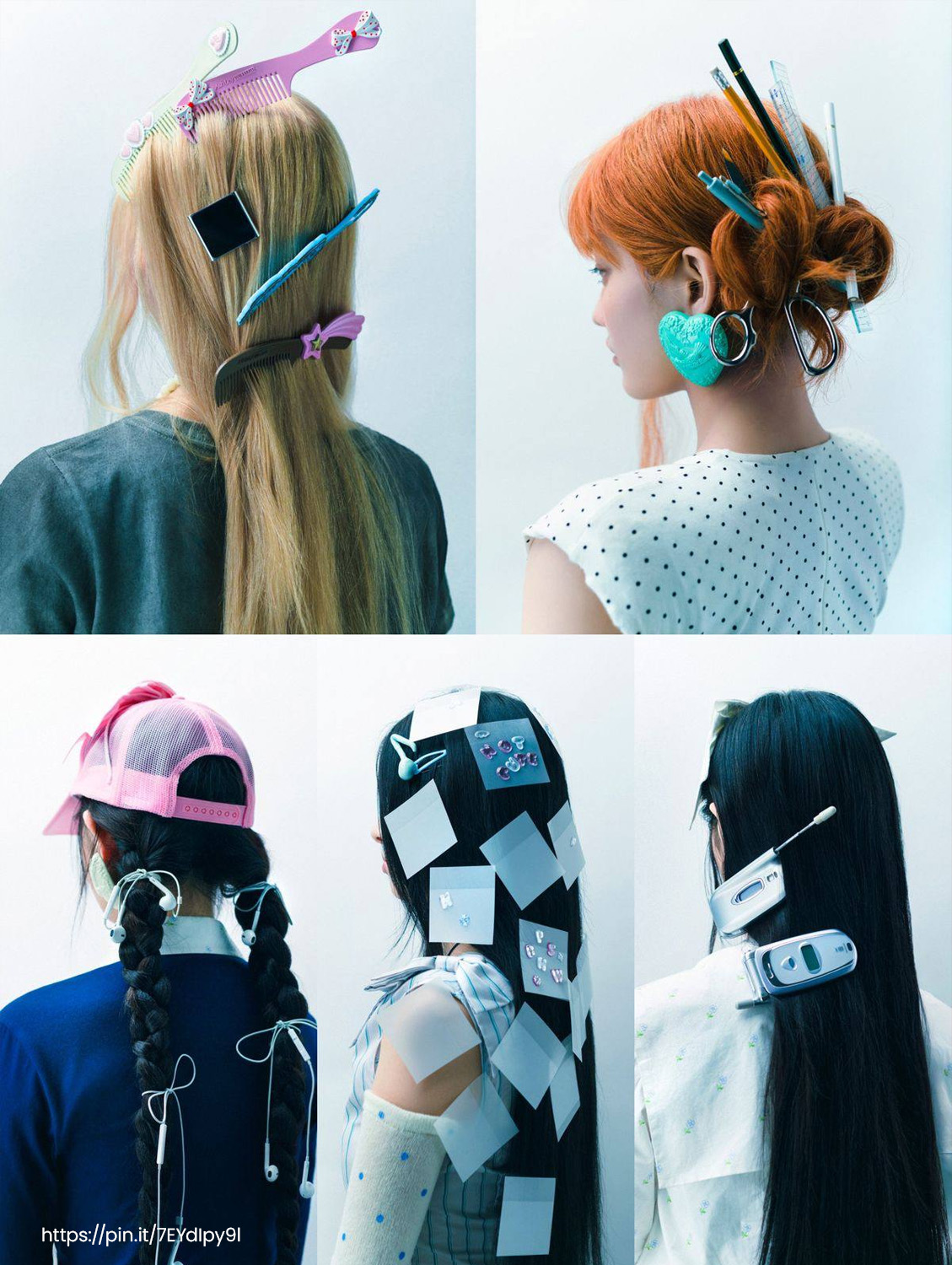
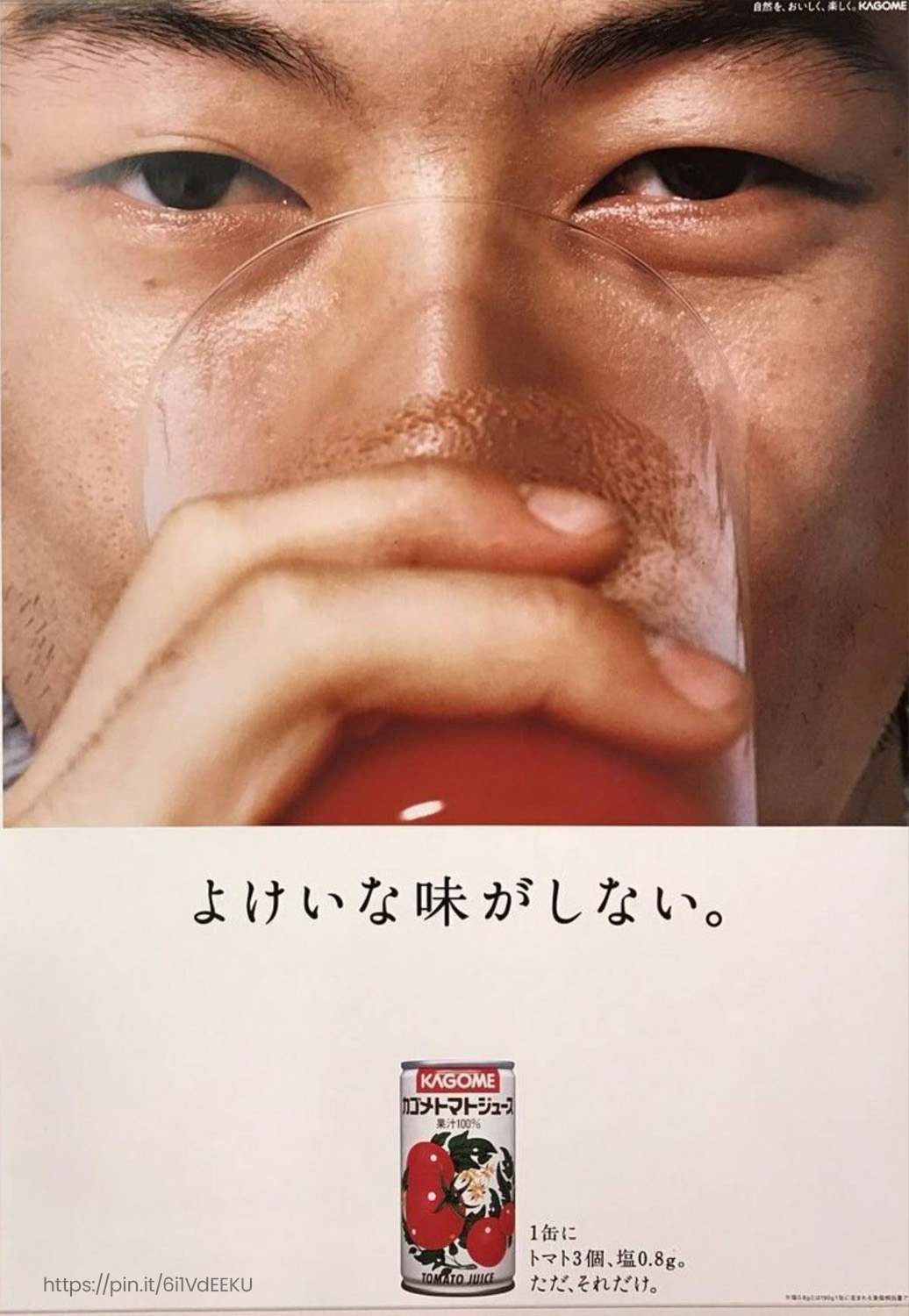
Japan is a culture of context. It values subtlety, layered meaning, poetic symbolism, and emotional nuance. Japanese advertising can feel surreal, absurd, or even childlike — because it speaks through atmosphere rather than explanation. The United States operates differently. It is a culture of clarity and directness. Advertising must quickly communicate the benefit, explain who it is for, and deliver a clear resolution. The narrative structure matters.
These differences reflect two distinct settings of perception. An American viewer expects logic and structure. When a story feels overly symbolic or ambiguous, it may trigger confusion rather than emotion.

When Meaning Gets Lost in Translation
Imagine a Japanese commercial where a singing lamp rescues a cat. For a Japanese viewer, it may feel like a warm metaphor about care and emotional connection. For an American audience, the reaction might simply be: “What did I just watch?”
The message itself is not wrong. It just speaks a different cultural dialect.

Why Asia Is Setting Global Trends
Today, Asian aesthetics strongly influence global design and marketing. In a world overwhelmed by information, emotion and visual symbolism often communicate more effectively than rational explanation. Asian creative culture excels at atmosphere, rhythm, and sensory experience. Where Western communication relies on clarity and logic, Asian design often offers immersion and feeling.
This shift has introduced a new visual language — bold contrast, maximalism balanced with harmony, playful motion, digital intensity, and aesthetic experimentation.
The Rise of Emotional Maximalism
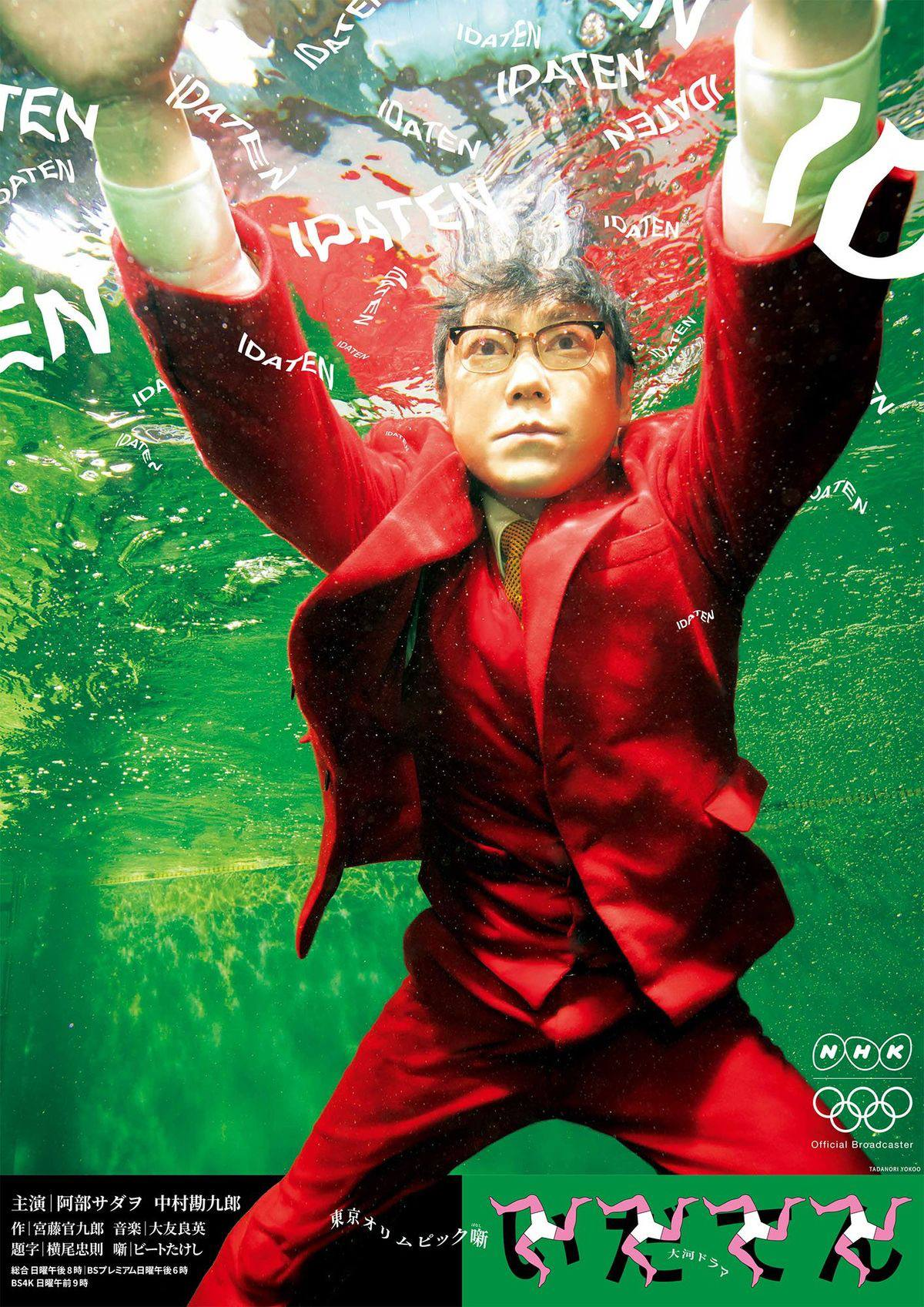
Across TikTok aesthetics, K-pop visuals, anime-inspired motion, and hyper-digital campaigns, we see an export of emotion rather than explanation. Designers in Asia are less afraid of visual intensity. The local aesthetic often feels like maximalism guided by internal harmony. It blends technology, pop culture, mindfulness philosophy, and strong visual storytelling.
If Asia once adopted Western codes, today the direction of influence has reversed. Western brands increasingly draw inspiration from Asian culture.
Marketing is not simply the language of brands — it is the language of culture itself. For a brand to successfully enter a new country, it must learn that culture’s emotional dialect. Without understanding cultural codes, brands do not just appear irrelevant — they feel foreign.
In the future, success will not belong to the loudest voices, but to those who most precisely sense and interpret the cultural rhythm of their audience.